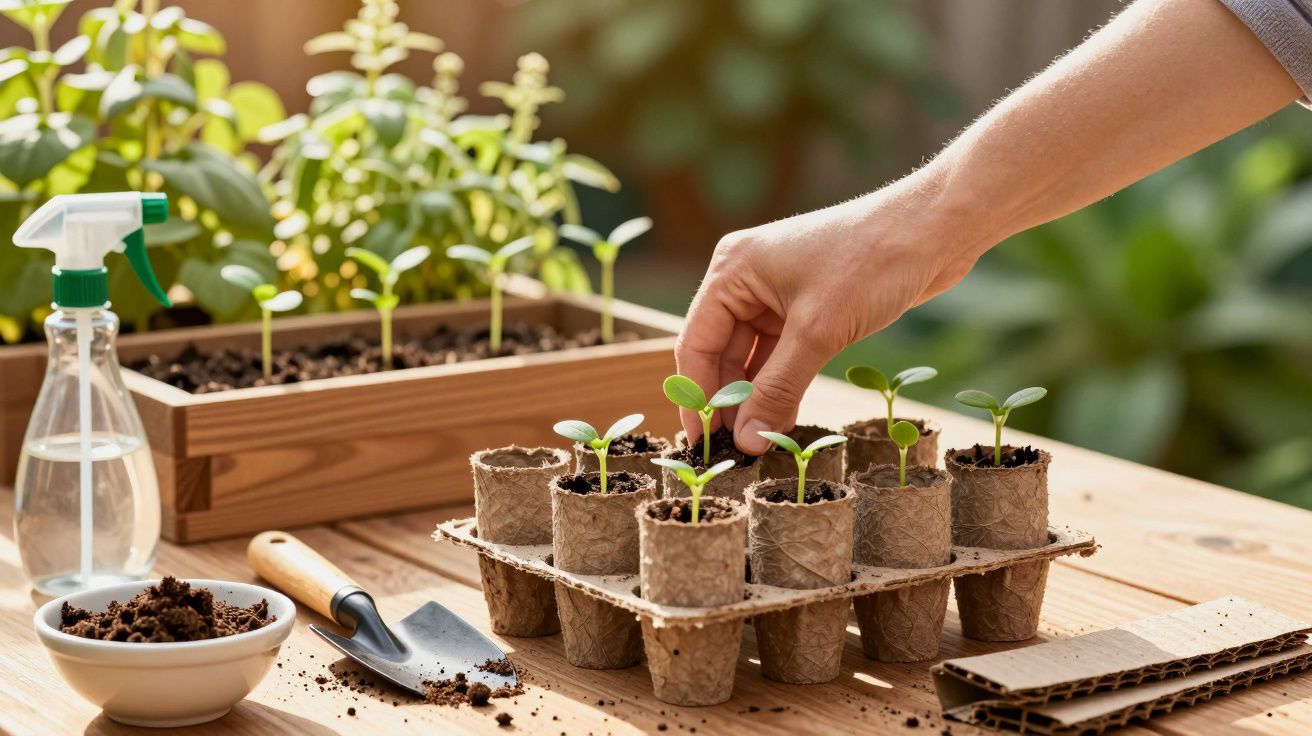
Old cardboard tubes, forgotten in the bathroom trash, can quietly change how your garden grows this season.
Most people toss toilet paper rolls without a second thought, but they have several clever uses in the garden. With a little cutting, filling, and patience, these cardboard tubes become mini seed pots, pest guards, mulch, and compost material. The result is a healthier garden, less household waste, and a budget that stretches further.
Why toilet paper rolls matter more than you think
Toilet paper tubes are made from lightweight, biodegradable cardboard. They hold their shape long enough to support young plants, then slowly break down in the soil. That simple trait makes them an unexpected ally for gardeners who want quick, low-cost solutions.
Toilet paper rolls act as a bridge between your recycling bin and your vegetable garden, reducing waste while feeding the soil.
They cost nothing, show up in every home, and fit naturally into small-space or balcony gardening. For city gardeners without storage or large tools, a bag of potting mix and a handful of cardboard tubes can kick off a productive season.
Homemade nurseries: turning tubes into seed starters
Many gardeners pay for trays and plastic cell packs to start seeds. Toilet paper rolls can do the same job-with surprisingly good results.
How to build mini seed pots with cardboard tubes
- Cut each roll in half or into thirds, depending on the depth your seedlings need.
- Stand the sections upright in a shallow tray or a reused food container.
- Press them close together so they support one another.
- Gently fill with a light seed-starting mix or fine compost.
- Sow 1–2 seeds per tube, then water with a gentle spray.
The tubes keep soil in place and give each seedling its own space, which reduces transplant shock later. Roots can grow down and through the damp cardboard as it softens.
When seedlings are ready, plant the entire tube in the ground so roots stay undisturbed and growth continues without interruption.
Tips for healthy seedlings in cardboard tubes
Cardboard dries out faster than plastic. Check moisture daily and water lightly rather than soaking. If the tubes start to sag early, slide your hand under the tray before moving it so fragile roots stay intact.
Label each row with a small wooden stick or a piece of masking tape on the tray. Once plants have several true leaves and roots have filled the tube, you can move them outside or into larger pots without tearing the cardboard off.
Using cardboard as a physical barrier against pests
Young plants face hungry slugs, cutworms, and other crawling pests during their first few weeks. Toilet paper rolls can provide a small shield during that vulnerable stage.
Collars that protect stems and encourage straight growth
Cut tubes into sections 2–4 inches (5–10 cm) tall. Push each ring about an inch (a couple of centimeters) into the soil around the seedling’s stem. The tube forms a collar that some ground-dwelling pests have trouble crossing.
This collar also helps the plant grow straight. In windy beds or uneven light, stems often lean early and never fully recover. The cardboard ring supports the base, reducing bending and breakage.
A simple cardboard collar works both as a mini fence against crawling pests and as a brace that encourages sturdy, upright growth.
This works well for tender vegetables like lettuce, beans, zucchini, cucumbers, and many annual flowers. For plants prone to slug damage, these collars pair well with beer traps or copper tape for added protection-without jumping straight to chemical pellets.
DIY mulch: saving water and slowing weeds
Mulch covers soil, reduces evaporation, and shades weed seeds so they struggle to sprout. Shredded toilet paper rolls can serve as mulch around vegetables, herbs, and ornamental plants.
How to turn tubes into cardboard mulch
Use clean, plain cardboard rolls with no glossy printing. Cut or tear them into small strips or pieces. Spread a thin layer around plants, leaving space around each stem. A typical bed needs just enough cardboard to cover most bare soil while still allowing airflow.
- Reduces how often you need to water, especially during hot weather.
- Slows weed growth and makes hand-weeding easier.
- Feeds soil life as the cardboard softens and breaks down.
Keep mulch a few inches away from stems, or trapped moisture can lead to rot and fungal issues at the base of the plant.
For better results, combine cardboard strips with a second layer such as grass clippings, dried leaves, or straw. The cardboard holds moisture; the organic top layer blocks light and keeps everything in place on windy days.
Composting toilet paper rolls the smart way
Compost piles depend on a balance between “greens” (nitrogen-rich) and “browns” (carbon-rich). Kitchen scraps, coffee grounds, and fresh trimmings provide nitrogen. Cardboard tubes provide carbon, helping prevent the mix from turning into a smelly, soggy mess.
Cut small to compost faster
Before adding rolls to your compost bin, cut or tear them into small pieces. Damp pieces break down faster and mix more evenly with food scraps and yard waste.
| Material | Type | Main benefit |
|---|---|---|
| Toilet paper rolls (shredded) | Brown (carbon) | Balances nitrogen, improves structure |
| Vegetable peels | Green (nitrogen) | Feeds microbes, speeds decomposition |
| Dry leaves | Brown (carbon) | Adds bulk, improves airflow |
| Coffee grounds | Green (nitrogen) | Boosts microbial activity |
Cardboard pieces also help prevent compaction inside the compost pile. The gaps between pieces improve airflow, keeping microbes active and odors down. When mixed correctly, the pile heats up, breaks materials down quickly, and turns into dark, crumbly compost for beds and containers.
Shredded tubes soak up excess moisture in compost, reducing bad smells and helping the pile breathe.
Safety checks before you bury that cardboard
Not all paper products belong in the garden. Avoid tubes with heavy colored ink, plastic coatings, or glitter, which can leave unwanted residues in the soil. Plain brown tubes from standard rolls are usually fine for home gardens.
If you live in a very wet climate or water heavily, watch for mold on the cardboard surface. Light surface mold rarely harms plants and often signals active fungi at work. If growth looks thick or dark, break up the affected pieces and mix them into the soil or compost instead of leaving them pressed against stems.
Making the most of a low-cost gardening habit
Using toilet paper rolls changes how gardeners think about waste. A bathroom trash bin becomes a supply source for seed starting, soil care, and pest control. Families can involve kids by letting them cut, fill, and label the tubes-turning everyday recycling into a simple weekend project.
For small patios or balconies, this trick pairs well with other space-saving ideas: stacking crates for vertical gardens, using food containers as trays, and growing fast crops like salad greens and radishes. A few cardboard tubes can start seedlings indoors early, ready to move outside as soon as spring temperatures settle-giving you a head start without buying specialized gear.






Comments
No comments yet. Be the first to comment!
Leave a Comment